
KABELVÅG · PEOPLE & PLACE
Where the story
of Lofoten begins.
A sheltered harbour. A winter fishery. A place to return to.
Discover the history behind the view.
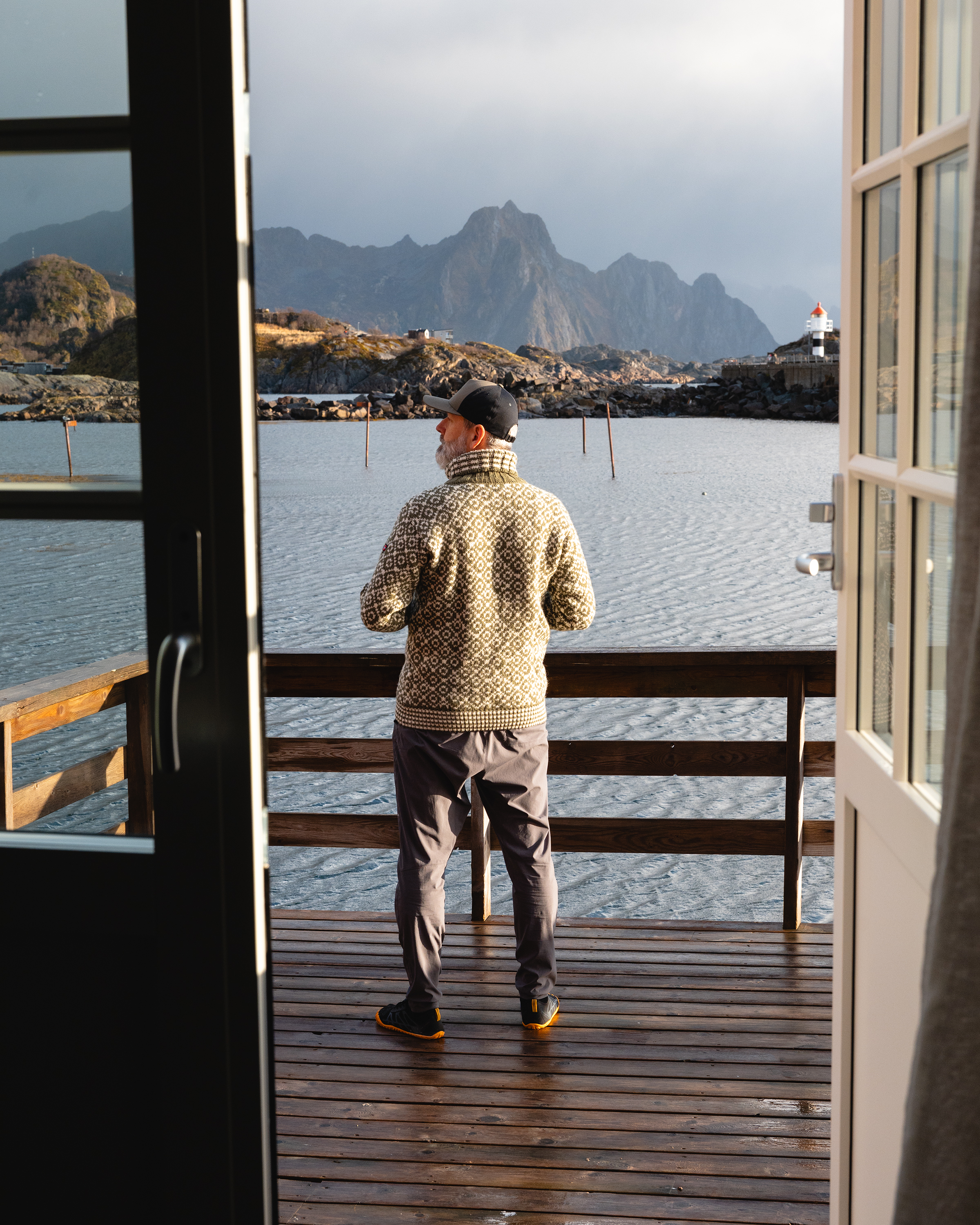
From the balcony, the sea is the first thing you notice. Then the rocks, the lighthouse and the mountains beyond. It is a view worth taking your time with.
But this coastline has always been more than a beautiful backdrop. For generations, people came here to work, trade and make a living from the sea. To understand the place you are staying in, it helps to look a little closer.
THE FISHING SETTLEMENT
A meeting place
beside the sea.
Near present-day Kabelvåg, medieval Vágar grew into an important centre for fishing and trade. Its story belongs to a wider coastline, shaped by the seasonal arrival of skrei and the people who followed the catch.
The settlement brought together fishermen and merchants. Archaeology in Storvågan reveals the traces of that early community, long before Lofoten became a destination for travellers.
Today, the remains of Vágar in Storvågan offer a starting point for discovering the history of this stretch of coast.

THE TRADE THAT SHAPED IT
A local catch.
A connection beyond Lofoten.
Cod could be preserved by drying it in the coastal air. As stockfish, the catch became part of a trade that reached well beyond the islands, linking northern fishing communities with distant markets.
The history is about more than the fish itself. It is also about boats, shelter, skilled hands and the work needed to turn a seasonal catch into a livelihood.
At Lofoten Museum in Storvågan, fishermen’s cabins, boathouses and traditional boats help bring that working life into focus.
KABELVÅG TODAY
Take the time
to look closer.
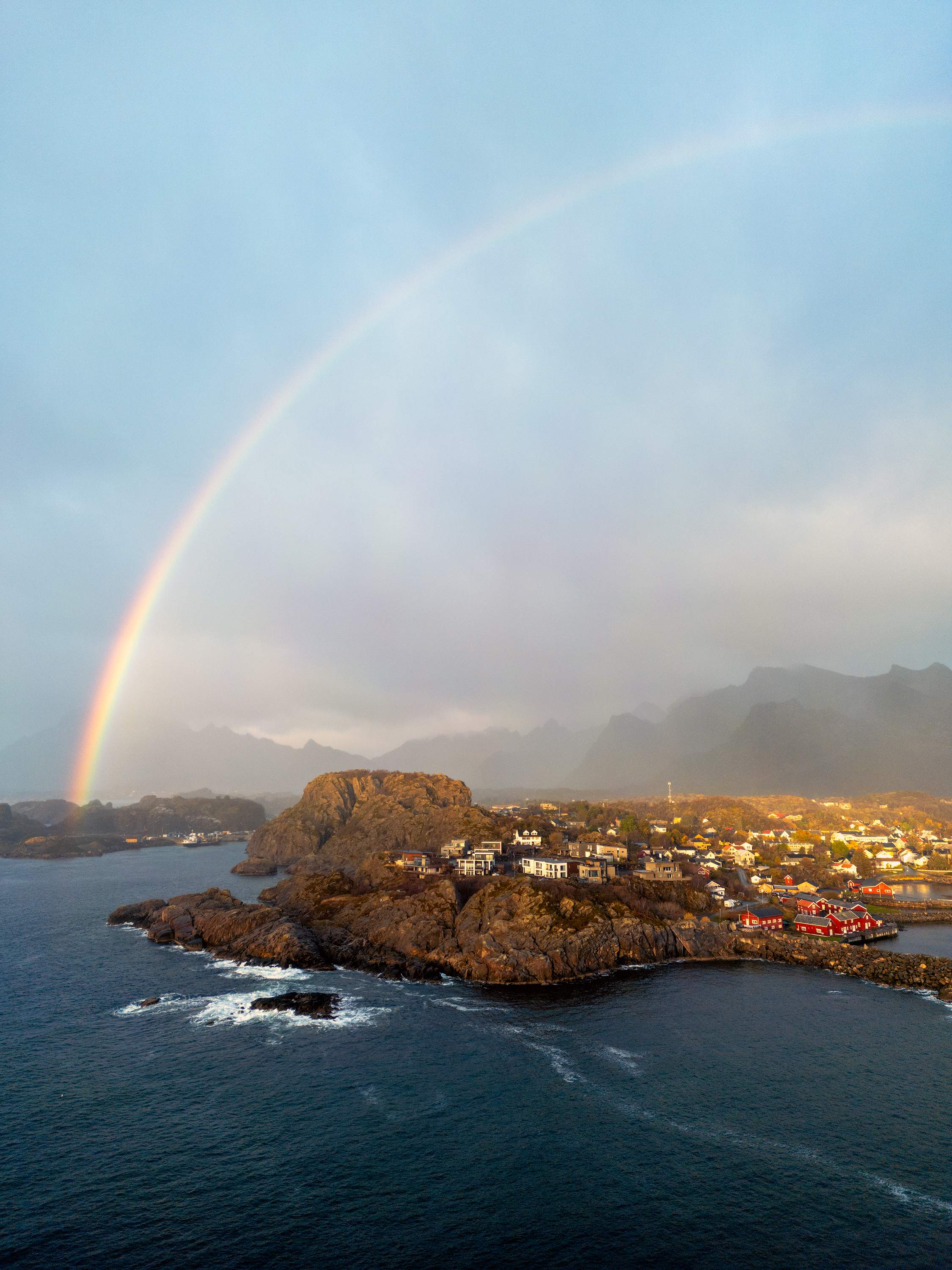
Begin with the harbour. Walk past the wooden buildings and notice how close the town sits to the water. The setting makes more sense when you know something of the work that shaped it.
Then visit Storvågan. Its museums offer another way into the story: through fishing, art and the life of the sea. Leave room in the day to follow your curiosity, rather than trying to see everything at once.
Historical background: Reidar Bertelsen / Arkiv i Nordland and Lofoten Museum / Visit Lofoten.
STAY A LITTLE CLOSER
A place to come back to.
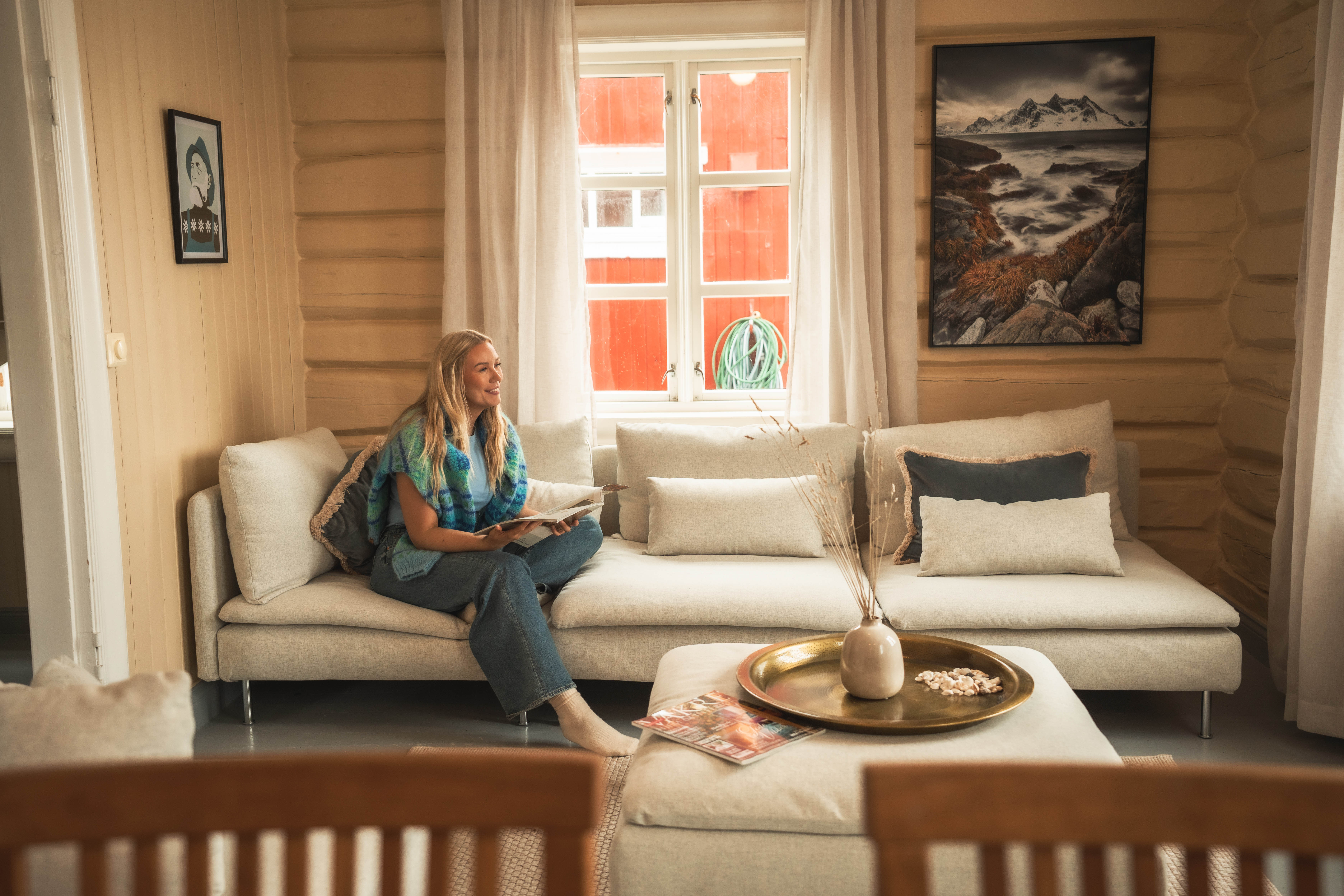
Explore Kabelvåg, then settle into your own quiet corner of Lofoten.
Find your stay at AstraMore stories from Lofoten